
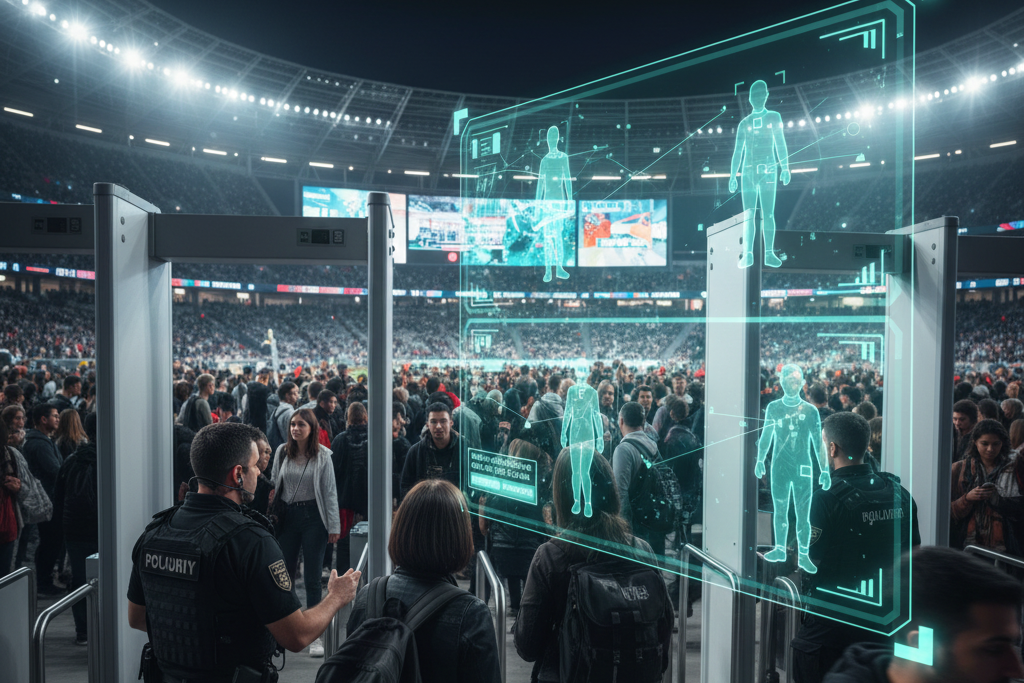
Major sporting events around the world are implementing new security measures in response to rising global risks, including cyber threats, crowd-management challenges, and geopolitical tensions.
Event organizers for international tournaments have added AI-powered surveillance systems, digital access controls, and advanced crowd-tracking technologies. These upgrades aim to detect unusual activity, manage crowd density, and ensure emergency readiness.
Cybersecurity is a top priority. Hackers have increasingly targeted event databases, ticketing platforms, and live-streaming services. As a result, international sports federations are working with tech firms to secure networks and protect real-time broadcast infrastructure.
Physical security is also being strengthened. Stadiums are adopting biometric entry systems to reduce identity fraud and improve safety. Police forces in several countries are conducting joint training drills with private security firms to prepare for large-scale events.
Geopolitical tensions are another major concern. International competitions involving rival nations require additional diplomatic coordination and monitoring to prevent protests or politically motivated disruptions.
Despite the heightened measures, organizers emphasize that fan experience remains central. New policies are designed to ensure safety without creating discomfort or unnecessary delays.
As global events continue to grow in size and complexity, security experts say integrated digital and physical systems will become standard across all major tournaments.