
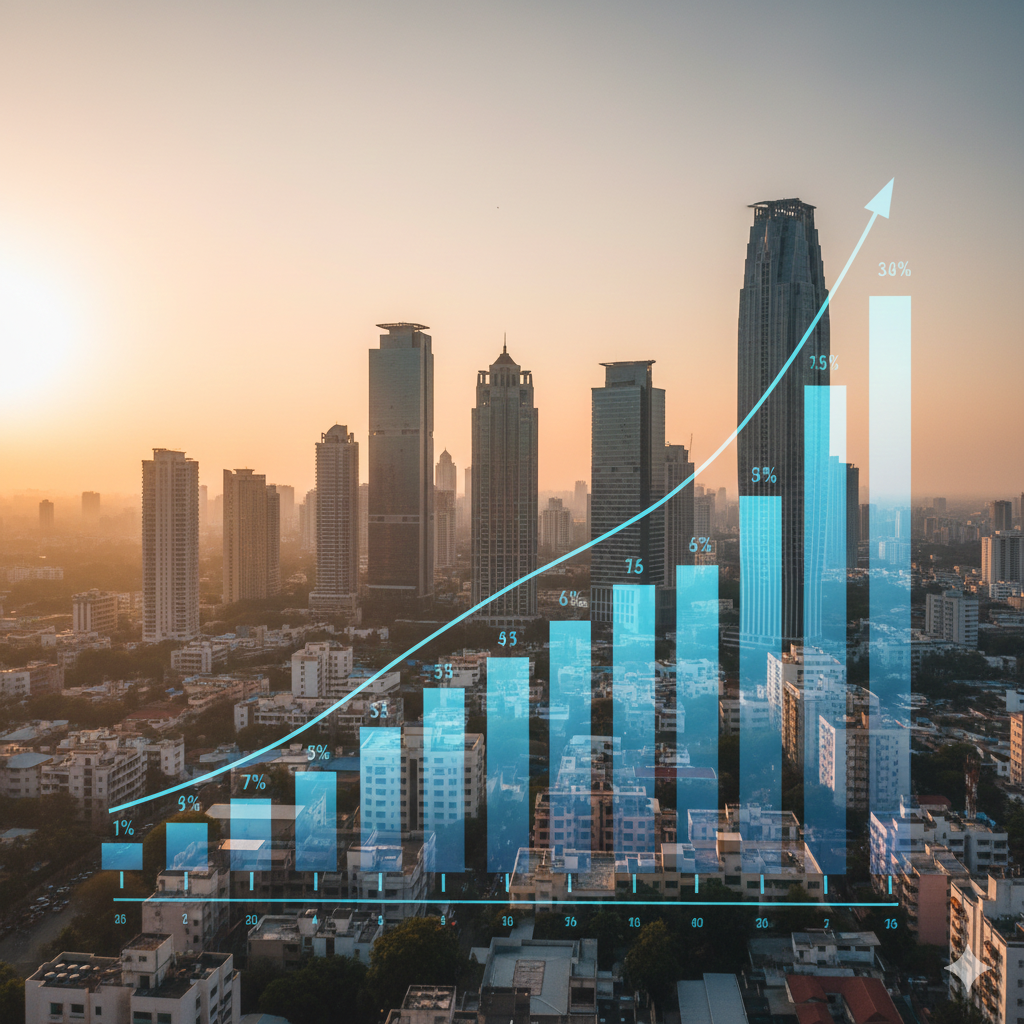
A new wave of economic power is reshaping global trade as emerging nations strengthen their influence across key markets. Countries in Asia, Africa, and Latin America are taking on more prominent roles in supply chains, manufacturing, and energy partnerships, signaling a shift away from long-standing Western dominance.
India, Indonesia, Vietnam, and Brazil are among the fastest-growing economies driving this transition. Their expanding populations, rising middle classes, and improving infrastructure are attracting major foreign investment.
India has seen significant growth in digital services, renewable energy, and advanced manufacturing. International businesses are increasingly shifting production to India as they diversify away from reliance on China. Vietnam continues to rise as a global manufacturing hub, especially in electronics and textiles.
In Africa, nations such as Kenya, Nigeria, and South Africa are building stronger economic ecosystems. New free-trade agreements across the continent are creating larger unified markets, making Africa more competitive in global negotiations.
Latin America is also experiencing new momentum. Brazil and Mexico are leading shifts in agricultural exports, clean-energy partnerships, and advanced logistics networks. Their influence in global commodity markets is expected to grow over the next decade.
The realignment is partly driven by supply-chain disruptions that occurred during recent global crises. Companies are now investing in multiple regions to build more resilient manufacturing systems.
Western nations are responding by strengthening partnerships with emerging markets, focusing on trade incentives, technology-sharing agreements, and security cooperation.
Economists say the rise of emerging nations will not replace traditional powers but will create a more balanced global trade structure. The next decade could see a multipolar economic order, with several regional power centers shaping global decision-making.