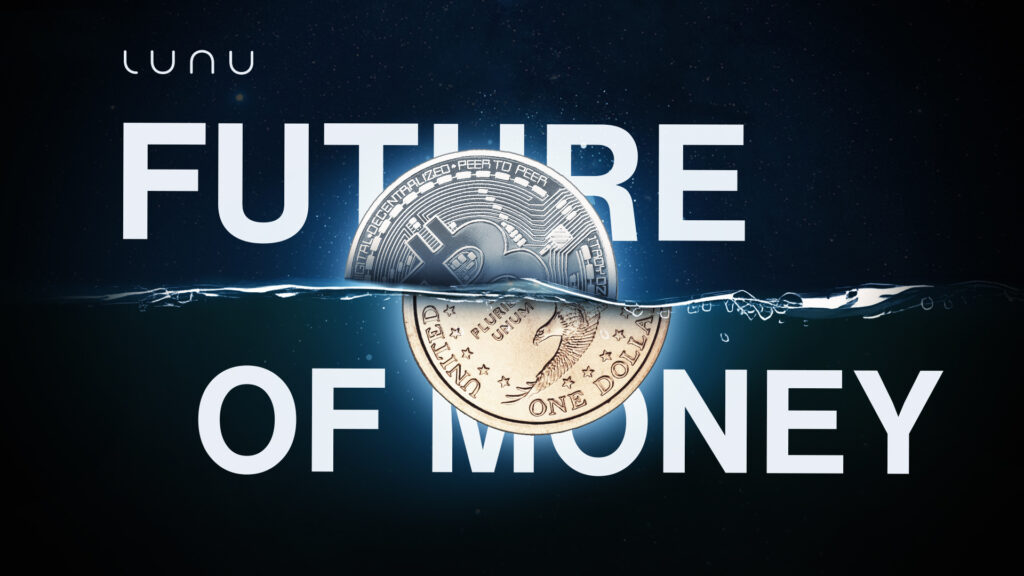
Money is undergoing the most significant transformation since the invention of modern banking. For centuries, financial systems operated on predictable, centralized frameworks: banks stored wealth, governments regulated currency, and physical money—or digital equivalents tied to it—facilitated transactions. That system worked in an era defined by borders, physical commerce, and slow-moving capital.
But the world has changed.
Commerce is digital. Assets are global. Transactions are instantaneous. Consumers expect autonomy, transparency, and control. And technology is now separating money from geography, banks from exclusivity, and financial ownership from physical form.
We are entering a new financial era shaped by digital currencies, decentralized finance, tokenized assets, and programmable value systems. The question is no longer whether the system will change — but how quickly traditional institutions can adapt.
The Decline of Traditional Banking Models
Banks were built for a world where:
- Financial services were physical
- Trust required institutions
- Capital flowed slowly
- Competition was limited
- Consumers had no alternatives
That environment no longer exists.
Fintech platforms process payments faster than banks. Crypto wallets allow cross-border transfers without intermediaries. Consumers can earn yield without savings accounts. And blockchain eliminates the need for trust-based verification.
Banks aren’t disappearing, but their monopoly on financial authority is.
Digital Currency: The New Monetary Foundation
Digital currency exists in multiple forms — each with different purpose and scale:
- Cryptocurrencies (Bitcoin, Ethereum): Decentralized, community-governed value systems
- Stablecoins: Digital money tied to real-world assets
- CBDCs (Central Bank Digital Currencies): Government-backed digital currency replacing cash
- Programmable money: Funds with conditions attached (automated taxes, usage limits, smart contracts)
CBDCs are accelerating adoption: more than 130+ countries are exploring or piloting national digital currency systems.
The implications are enormous:
- Instant settlement
- Reduced transaction fees
- Greater transparency
- Reduced reliance on cash
- Direct government-to-citizen financial channels
Digital currency is not replacing money — it is money, modernized.
Tokenization: The Future of Ownership
Tokenization converts any asset into a secure, tradeable digital token.
Tokenizable categories include:
- Real estate
- Luxury goods
- Intellectual property
- Bonds and securities
- Carbon credits
- Art and collectibles
- Revenue-sharing agreements
- Fractional equity in companies
The impact is transformative:
Ownership becomes divisible, traceable, liquid, and global—even for assets once considered immovable or illiquid.
A commercial building that previously required millions to invest can now be owned fractionally by thousands. Value becomes democratized.
Blockchain: The Trust Layer of the Digital Economy
Blockchain removes the need for intermediaries by creating transparent, immutable records.
Where blockchain is already reshaping systems:
- Cross-border payments
- Supply chain financing
- Intellectual property tracking
- Digital identity management
- Smart contracts
- Voting and governance
The shift isn’t ideological—it’s structural. Blockchain replaces trust with verification.
Smart Contracts: The Automation of Finance
Smart contracts are self-executing agreements where terms are written into code, not legal documents.
Examples:
- Rent releases only when payment is confirmed
- Royalties automatically paid when content is streamed
- Insurance claims processed instantly when conditions are met
- Auto loans triggered by usage, not paperwork
- Investments distributed without human intermediaries
Smart contracts eliminate friction, delay, and human error — making finance programmable.
Decentralized Finance (DeFi): Finance Without Gatekeepers
DeFi platforms allow users to:
- Borrow
- Lend
- Trade
- Earn interest
- Transfer funds
— without banks.
The model is simple: financial power shifts from institutions to participants.
DeFi is not yet mainstream — but its architecture exposes inefficiencies in the traditional system and showcases how financial services could operate in the future.
The Role of Traditional Institutions: Adapt or Become Irrelevant
Banks and governments aren’t being replaced, but their function is changing.
Future financial institutions will focus on:
- Regulation and compliance
- Trust frameworks
- Custodial digital asset services
- Infrastructure management
- Digital identity verification
- Cybersecurity and fraud prevention
Traditional finance will coexist with decentralized systems — but not without reinvention.
Benefits of the New Financial Era
✔ Faster transactions
✔ Reduced fees
✔ Increased transparency
✔ Global accessibility
✔ Expanded financial participation
✔ Programmable financial logic
✔ Expanded innovation and capital mobility
The result? Money becomes borderless, intelligent, and equitable.
Challenges Ahead
The transition isn’t frictionless. Key concerns include:
- Regulation
- Consumer trust
- Cybersecurity threats
- Volatility in digital assets
- Financial literacy gaps
- Ethical and privacy considerations
The challenge isn’t technology — it’s governance.
What Individuals and Companies Should Do Now
🔹 Learn digital finance fundamentals
🔹 Explore tokenized investment frameworks
🔹 Prepare for CBDC-based commerce
🔹 Develop blockchain and smart contract capabilities
🔹 Evaluate digital identity and compliance systems
Money is becoming software — and those fluent in that language will lead.
Conclusion: The Transformation Is Irreversible
The financial system of the past was centralized, permission-based, and institution dependent. The financial system of the future will be decentralized, accessible, programmable, and global.
This isn’t the end of banking.
It’s the end of banking as we knew it — and the beginning of a financial system that matches the speed and scale of the digital world.
The future of money isn’t coming.
It’s already here.